

What is EtherFi?
Before diving into the specifics of its card, it’s essential to understand what EtherFi is. Launched in 2023, EtherFi quickly established itself as a major liquid restaking protocol on the Ethereum blockchain. Its mission: Enable users to stake their ETH (and other assets) to generate yields, while maintaining complete control of their private keys through a non-custodial approach.
This fundamental characteristic distinguishes it from platforms where users must entrust their funds to a third party. With a TVL exceeding $6 billion in 2026, EtherFi has earned the trust of the DeFi community. The protocol notably leverages EigenLayer technology, which allows users to maximize staking rewards while contributing to securing multiple networks.
It’s on this solid foundation of staking, liquidity, and yield generation that the EtherFi ecosystem has expanded its services to launch an innovative payment solution: The EtherFi Cash card.

How Does the EtherFi Crypto Card Work?
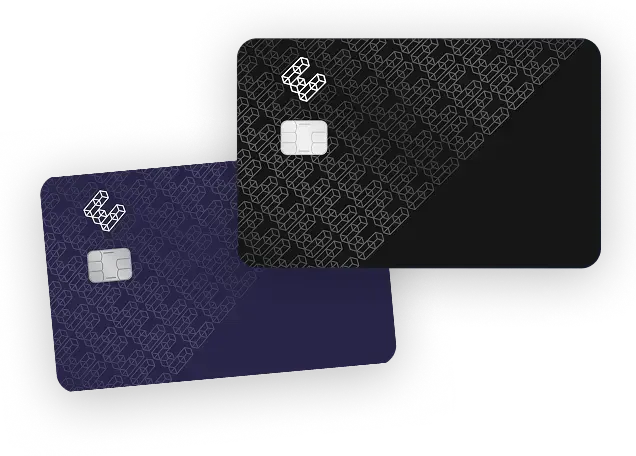
The EtherFi card stands out from traditional crypto cards thanks to a unique mechanism based on the concept of “spend without selling”. This isn’t simply a debit card that automatically converts your cryptocurrencies into fiat, but rather a true crypto-native credit card.
The core of its innovation lies in the “Borrow Mode.” At the moment of purchase, instead of selling your staked assets (like your eETH or weETH), the card allows you to borrow against their value. Your cryptocurrencies become collateral while continuing to generate staking and restaking yields within the EtherFi protocol. This structure offers a potential tax advantage in many jurisdictions, as it avoids triggering a taxable event related to selling assets.
The credit balance is gradually repaid through the yields generated by your collateral, but you can also make manual repayments at any time. Fully non-custodial, the card ensures that you remain the sole owner of your funds, protected by advanced cryptographic technologies.
Deployed on the Layer-2 Scroll to offer fast, low-cost transactions, the EtherFi card operates via the Visa network, ensuring acceptance at over 100 million merchants worldwide.
How to Get the EtherFi Card?
Obtaining the EtherFi card is a simple and accessible process, even for those who aren’t DeFi experts. Here are the key steps to order your card:
- Become a member of the EtherFi Club: The first step is to register on the official website to become a member of “The Club”. Membership is free and grants access to the entire ecosystem, including the card.
- Access the “Cash” section: Once your account is created, go to the Cash tab in the EtherFi app to initiate your card request.
- Identity verification (KYC): As with any regulated financial service, a KYC procedure is required. You’ll need to provide personal information and a valid ID document.
- Virtual card access: After KYC validation, a virtual EtherFi card is generated. You can use it immediately for online purchases or add it to your mobile wallet.
- Order the physical card: If you want a physical card, you can request one by providing your address. The card, made of plastic or metal depending on your membership level, will be sent by mail.

How to Use the EtherFi Crypto Card?
Once your EtherFi card is activated, using it is very similar to using a traditional bank card. Its compatibility with the Visa network ensures wide acceptance for in-store purchases, hotel reservations, online payments, or ATM withdrawals.
For everyday payments, the simplest method is to integrate your virtual card into a mobile wallet. The EtherFi card is fully compatible with leading contactless payment solutions.

Using the EtherFi Card with Apple Pay
Integrating the EtherFi card with Apple Pay is designed to be intuitive. From the EtherFi app, in the Cash tab, an “Add to Wallet” button appears on your card details page. By tapping it, you’ll be guided to add it to your Apple Wallet. Once added, you can use your iPhone or Apple Watch to pay for purchases in-store, securely and contactlessly.
Advantages and Disadvantages of the EtherFi Crypto Card
Like any solution, the EtherFi card has advantages and disadvantages that are important to evaluate before adopting it. Here’s a summary table to help you make an informed decision.
Advantages
- Spend without selling your crypto through “Borrow” mode
- 2% to 3% cashback on all purchases
- Non-custodial account with full control of your funds
- Visa card, accepted at over 100 million merchants worldwide
- No monthly fees, free cards
Disadvantages
- Can be complex for crypto beginners
- Less well-known than Coinbase, Binance, or Crypto.com
- 1% foreign exchange fee on foreign currencies
- 2% fee on ATM withdrawals
- Unavailable in certain countries and several U.S. states
Our Opinion on the EtherFi Card in 2026
In 2026, our opinion on the EtherFi card is decidedly positive. It represents a major advancement in integrating decentralized finance (DeFi) into everyday use. More than just a payment card, it stands as a cornerstone of the EtherFi ecosystem, offering perfect synergy between staking, yield generation, and everyday spending.
The “spend without selling” concept is particularly powerful for long-term crypto investors who want to use the value of their assets without liquidating their positions. The non-custodial nature of the card is also a guarantee of security and alignment with the fundamental principles of decentralization, a crucial point for many members of the community.
Despite a certain complexity that might deter novices and transaction fees to consider, the EtherFi card stands out as a top choice for intermediate to advanced users. It’s designed for those already familiar with DeFi concepts who are looking for a powerful tool to optimize their asset management. With its competitive advantages and innovative approach, the EtherFi card has the potential to become a standard for crypto payments in the years to come.

