

Why Asia Is Becoming the World Capital of Bitcoin
Once considered fringe experiments, Bitcoin treasury companies have now become major players in the crypto asset market. Inspired by pioneers like MicroStrategy, these companies are accumulating bitcoin on their balance sheets. They juggle between operational activities and serving as crypto investment vehicles.
In recent months, this phenomenon has accelerated particularly in Asia, attracting the attention of investors, regulators, and corporate boards. The key question is whether these “Bitcoin treasuries” can survive increased regulatory oversight or will collapse under the weight of accumulating risks.
Explosive Adoption in Asia, But at What Cost ?
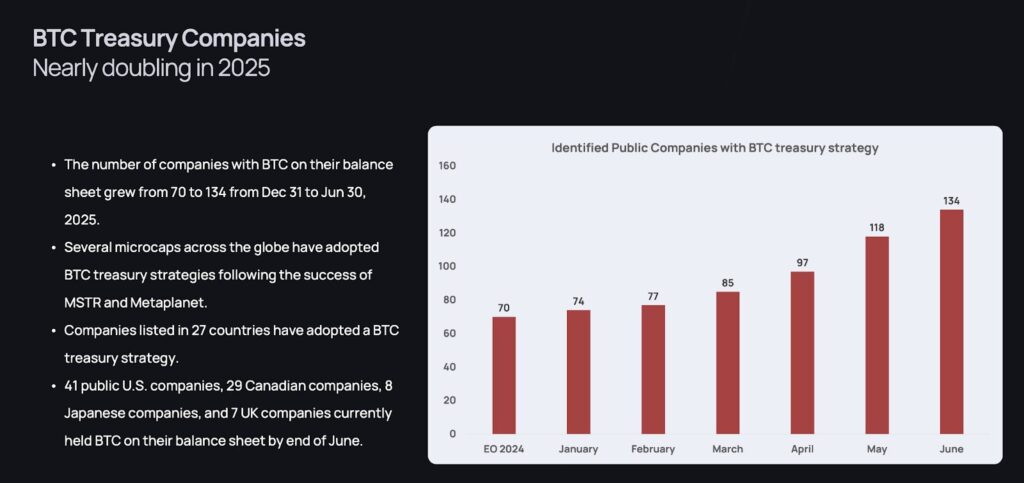
According to data from K33 Research, the number of public companies holding Bitcoin nearly doubled in the first half of 2025, growing from 70 to 134. In total, these companies have acquired 244,991 BTC. Among them are 8 Japanese companies, indicating that Asia has transformed from a spectator to a major player.
This rapid expansion raises fundamental questions about oversight, stability, and long-term viability. Regulators are particularly concerned about uncomfortable echoes reminiscent of past speculative bubbles, combining leverage and media frenzy.
While Bitcoin treasury companies promise BTC exposure without management constraints, they also create new risks. There’s an excessive dependence on convertible debt, with a refinancing wall of $12.8 billion by 2028. This exposes key players like MicroStrategy to default risk if the market turns downward.
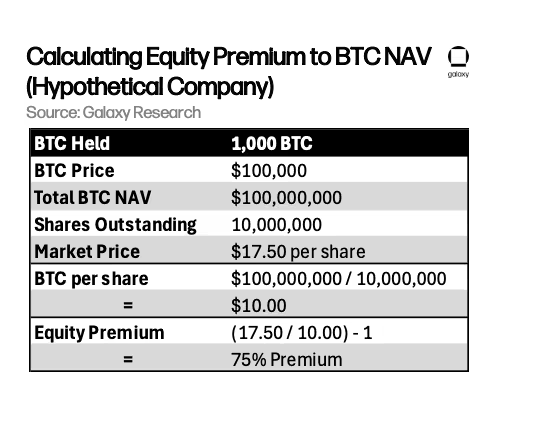
Another major challenge : the high premiums, up to 200-300% of net asset value, at which these securities trade. When these premiums collapse, issuing shares no longer strengthens BTC holdings per share but dilutes them, threatening the viability of the model.
BTC in the Crosshairs of Asian Regulators
Faced with these risks, Asian regulators appear ready to tighten the framework. APEC has called for strengthening trust and security in digital ecosystems, announcing upcoming regulatory changes. Japan and Singapore, in particular, are expected to clarify accounting standards and investor protection requirements.
For Bitcoin treasury companies, survival will depend on their ability to adapt to a rapidly changing regulatory environment. Only those demonstrating financial discipline, transparency, and reasonable growth in their BTC holdings per share are likely to navigate this delicate period successfully.

