

Bitcoin Trading Below Its Production Cost?
This is a market anomaly that whales are watching like hawks. According to the latest on-chain data, the average cost to mine one Bitcoin now stands at approximately $101,600. Yet, the current price is hovering around $91,900.
In concrete terms, BTC is trading at a loss for a large portion of the industry. Historically, when the price falls below the production cost, miners stop selling to avoid realizing their losses, creating a supply retention (supply shock). This level often acts as a major support, or “floor,” limiting the risk of further decline. Analyst Willy Woo has noted that capital outflows appear to have bottomed out in late December, suggesting that selling pressure is exhausting itself.
Trump’s 10% Plan: An Unexpected Catalyst for DeFi?
Beyond technicals, it’s macroeconomics that could serve as the trigger. Donald Trump’s proposal to cap credit card interest rates at 10% threatens to upend the traditional banking landscape (TradFi). While this measure aims to relieve consumers, it will mechanically force banks to tighten their lending criteria, excluding borrowers with scores below 780.
The direct consequence? A significant portion of the population could find themselves deprived of banking liquidity and turn to decentralized alternatives. Bitcoin and DeFi protocols, which require no credit score, would then become the big winners of this financial exodus. This liquidity transfer could act as a powerful demand driver for the crypto market in the coming months.
Analysis: Will the $90,000 Support Hold?
From a technical perspective, Bitcoin is in a consolidation phase. The market is testing buyer resilience in the $89,000 – $91,000 zone. As long as the price holds above this support, the structure remains potentially bullish in the medium term, fueled by the absence of miner capitulation.
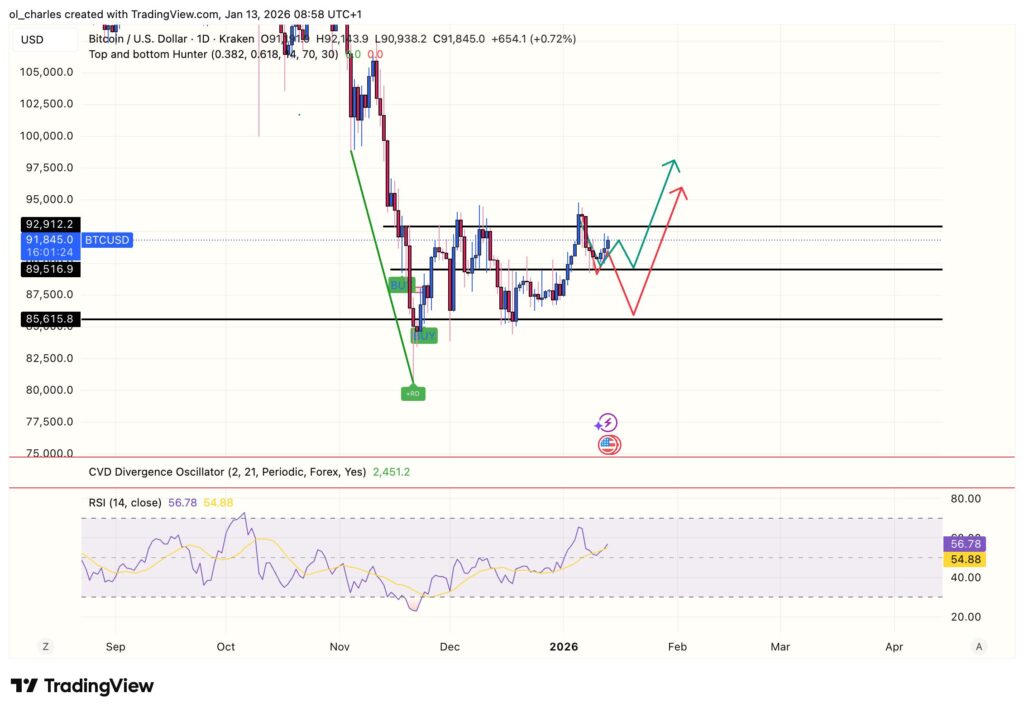
However, momentum indicators remain fragile. To validate a bullish reversal and target a new rally, BTC must imperatively reclaim the $94,000 zone with volume. Conversely, a clean break below $89,000 could trigger cascading liquidations toward the next technical supports at $87,000. Caution is warranted, but the risk/reward ratio appears to be improving for long-term investors.
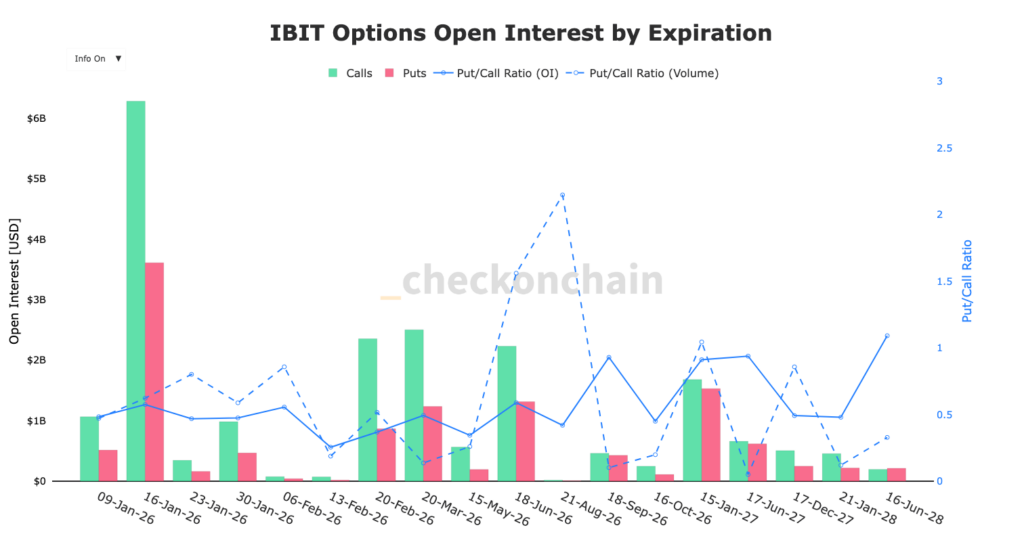
Furthermore, Bitcoin has, for several months, dropped approximately 1 to 4% after the 14th of each month. This would push Bitcoin toward $87,000 by Friday. Additionally, Friday is a day when nearly $10 billion in IBIT ETF options expire. This week could therefore still see a bearish reversal before attempting to reach the resistance at $95k.
Related Articles:

