

The FDUSD scandal : when stablecoin reliability turns into chaos
The decentralized world of cryptocurrencies recently witnessed an unexpected event: the FDUSD stablecoin, designed to maintain a 1:1 peg with the US dollar, suddenly lost its peg (also known as Depeg). This situation raised concerns among investors and industry players, questioning the reliability of stablecoins.
The origins of this scandal trace back to recent statements by Justin Sun, the founder of the Tron network. He claimed that the issuer of FDUSD, First Digital, was insolvent.
An allegation strongly denied by the company, which sees it as a “smear campaign” aimed at undermining competition. According to First Digital, the reserves of FDUSD are fully secured and backed by US Treasury bonds, as evidenced by their attestation report.
The quest for transparency : towards real-time reserve audits
This incident raises a crucial question: how to restore trust in stablecoins? The answer may lie in adopting new audit tools based on blockchain technology. “Reserve audits” allow for cryptographic and transparent verification that issuers indeed hold the digital assets they claim to possess.
Unlike traditional audit reports, which are merely “snapshots” susceptible to manipulation, these new solutions provide real-time visibility into the reserves. A crucial development as stablecoins increasingly integrate into global financial infrastructures.
The Future of Stablecoins and the Fate of Binance ?
Beyond the FDUSD scandal, this event highlights the persistent challenges in the cryptocurrency ecosystem. The quest for stability and reliability of stablecoins remains a major concern, especially considering these digital assets’ strategic role in financial markets.
Facing these challenges, stablecoin issuers will need to double down on efforts to regain investors’ trust. Adopting real-time reserve audit solutions could be a promising path, ensuring unprecedented visibility into the robustness of these assets. Only such transparency can secure the longevity of stablecoins and their full integration into the global financial system.
Additionally, according to analyst Abhi, this event could negatively impact Binance exchange’s reputation. The exchange holds $1.6 billion in FDUSD stablecoin in its crypto reserve:
“Rumors of FDUSD insolvency may trigger a fresh regulatory review, with authorities scrutinizing Binance’s due diligence practices and risk management concerning stablecoin.
I personally believe Binance urgently needs a new reset in its stablecoin strategy. This FDUSD incident could have a significant impact on overall trust and market sentiment if not swiftly addressed.”
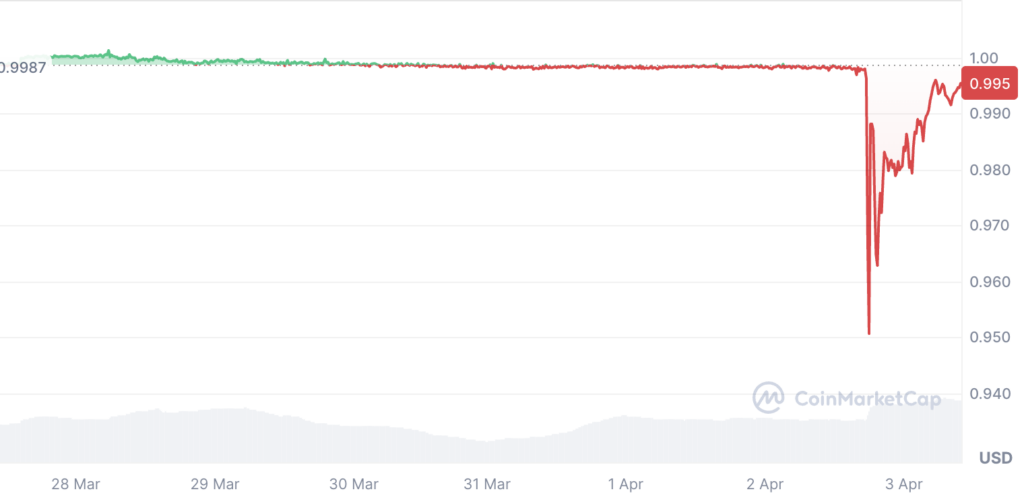
Following the incident and its 5% depeg, FDUSD is recovering and approaching the $1 mark once again. To reassure users, Binance stated its intent to publish monthly reports: “as part of our ongoing efforts to monitor stablecoin reserves, Binance conducts monthly reviews and verifications of FDUSD reserve data.”

