

Solana, the Outsider Redefining Blockchain Standards
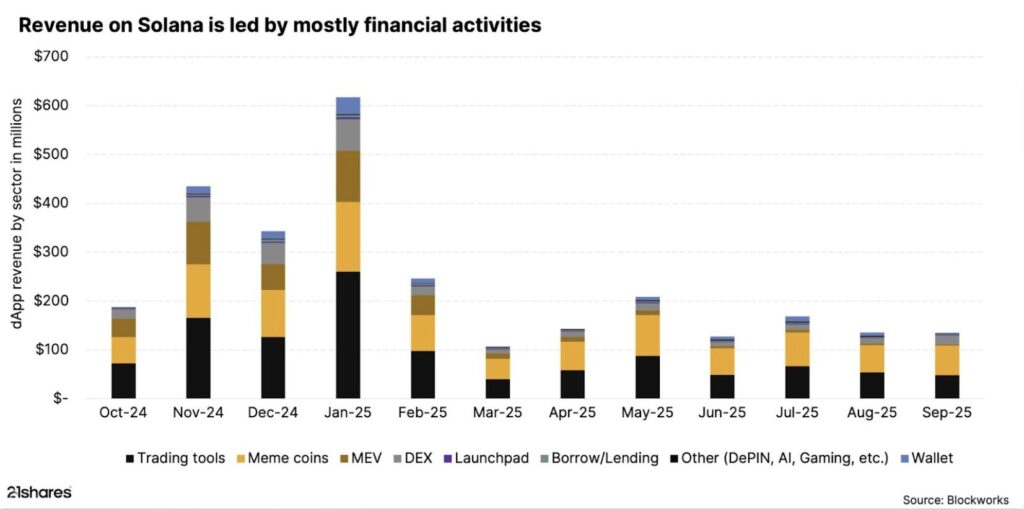
$2.85 billion in annual revenue for Solana comes from a diversified ecosystem that extends far beyond simple decentralized finance. The network captures significant flows through its DeFi applications, artificial intelligence protocols, and high-frequency trading platforms, placing Solana on a growth trajectory superior to what Ethereum experienced in its early days.
Unlike Ethereum’s early years (2015-2017), when transaction volumes and fee-based revenues remained modest, Solana benefits from a mature crypto ecosystem and rapid institutional adoption. Institutional investors, who once observed Ethereum cautiously, are now positioning themselves heavily in SOL.
According to 21Shares, Solana isn’t simply copying the Ethereum model. The network is developing its own use cases, particularly for high-performance decentralized applications and on-chain AI solutions, allowing it to capture market share that even Ethereum struggles to address effectively due to its transaction costs.
SOL at $120: Don’t miss the next rally and grab your bonus on Bitget right now!
Quick guide to buy SOL on Bitget
- Create an account on Bitget and complete KYC verification.
- Deposit funds (euros, USDT, card or bank transfer).
- Search for the SOL/USDT pair and choose Spot or Futures.
- Place your order and set your targets (Take Profit / Stop Loss).
- Secure your SOL in Bitget Wallet or a personal wallet.
Institutional Adoption Propels Solana Forward
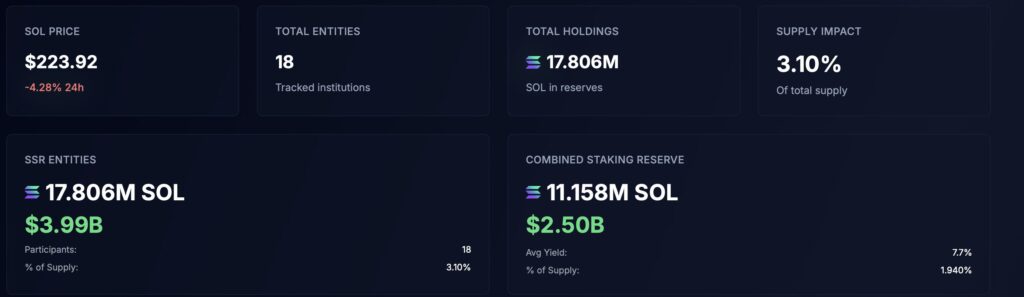
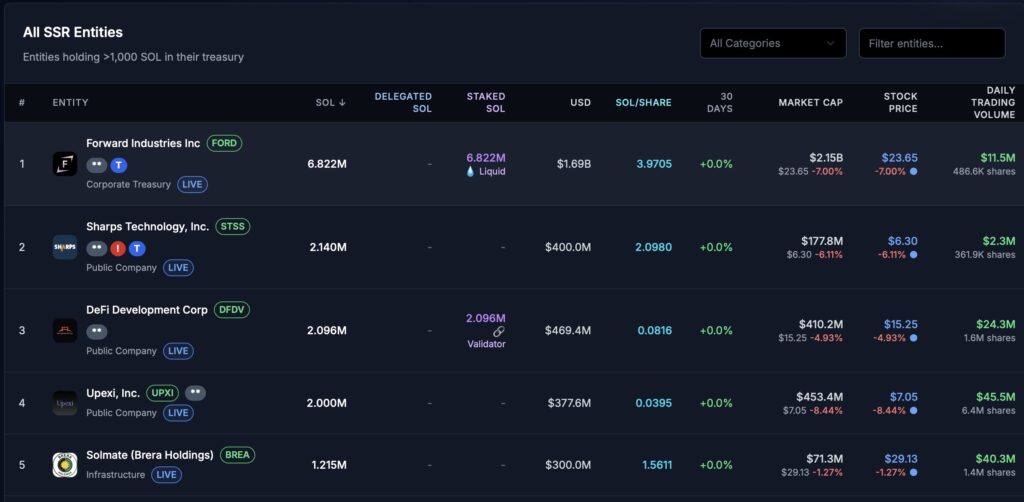
The 21Shares report highlights a key phenomenon: Traditional financial institutions are progressively integrating Solana into their investment strategies and technical infrastructure. This institutional adoption represents a major catalyst for the network’s valuation and partially explains the explosion in revenue.
Crypto investment funds, market makers, and professional trading platforms now favor Solana for its high transaction throughput and reduced fees. The network processes thousands of transactions per second with average costs below one cent, a decisive competitive advantage compared to Ethereum Layer 1, which regularly displays fees of several dollars during activity peaks.
This institutional momentum comes with increasing professionalization of the ecosystem. Solana protocols are adopting stricter security and regulatory compliance standards, facilitating their integration into institutional portfolios. The network also benefits from the development of dedicated infrastructure, such as professional custody solutions and sophisticated on-chain analysis tools.
Solana vs Ethereum: The Crypto Landscape Redrawn
Solana’s performance reignites the debate on blockchain supremacy. While Ethereum maintains its lead in terms of TVL and active developers, Solana is rapidly gaining ground in segments like NFTs and gaming applications, where speed and low costs are decisive factors.
Investors are now diversifying their positions between ETH and SOL, seeing both blockchains as complementary. This approach reflects market maturity, where technical and economic fundamentals take precedence. The competition between networks stimulates innovation and benefits the entire crypto ecosystem.
However, Solana’s prospects remain subject to questions: The network has experienced service interruptions, and the relative centralization of validators remains a point of vigilance for decentralization purists.
Related topics:

