

NAKA, SBET, and ASST Stocks on the Radar
The crypto market is once again at the top of the range it has been following for several months now. While Bitcoin (BTC) is currently trading in a price zone between $71,800 and $72,380, investors are looking for the next opportunity to maximize their gains before the next surge. According to Lance Vitanza, an analyst at TD Cowen, the answer might not lie in traditional Bitcoin ETFs, but rather in three specific stocks: Nakamoto (NAKA), SharpLink (SBET), and Strive (ASST).
These companies, described as digital asset treasury firms, are adopting an aggressive strategy. Instead of simply holding cryptocurrencies, they are massively accumulating tokens and generating yields through staking. This dynamic approach could allow them to outperform passive funds, thereby offering a massive return to investors willing to bet on this hybrid model.
Nakamoto and Strive: An Imminent Breakout to New Highs?
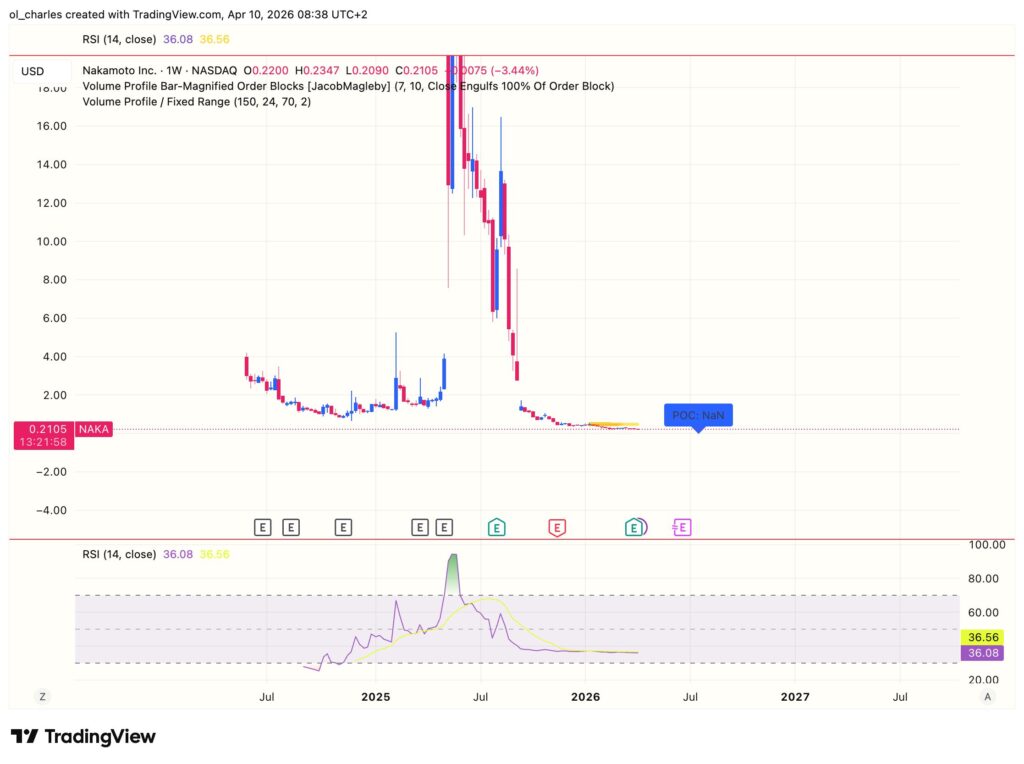
The TD Cowen analyst has initiated coverage with a buy recommendation on these stocks, anticipating a true bull run. Nakamoto (NAKA), currently trading around $0.21, has been given a price target of $1.00. This bullish projection is based on an estimated $394 million in dollar gains tied to Bitcoin by 2027. However, NAKA shares will need to break the weekly order block at $0.45 before hoping for this bullish scenario to play out. And for that to happen, a genuine Bitcoin bull run would be required.
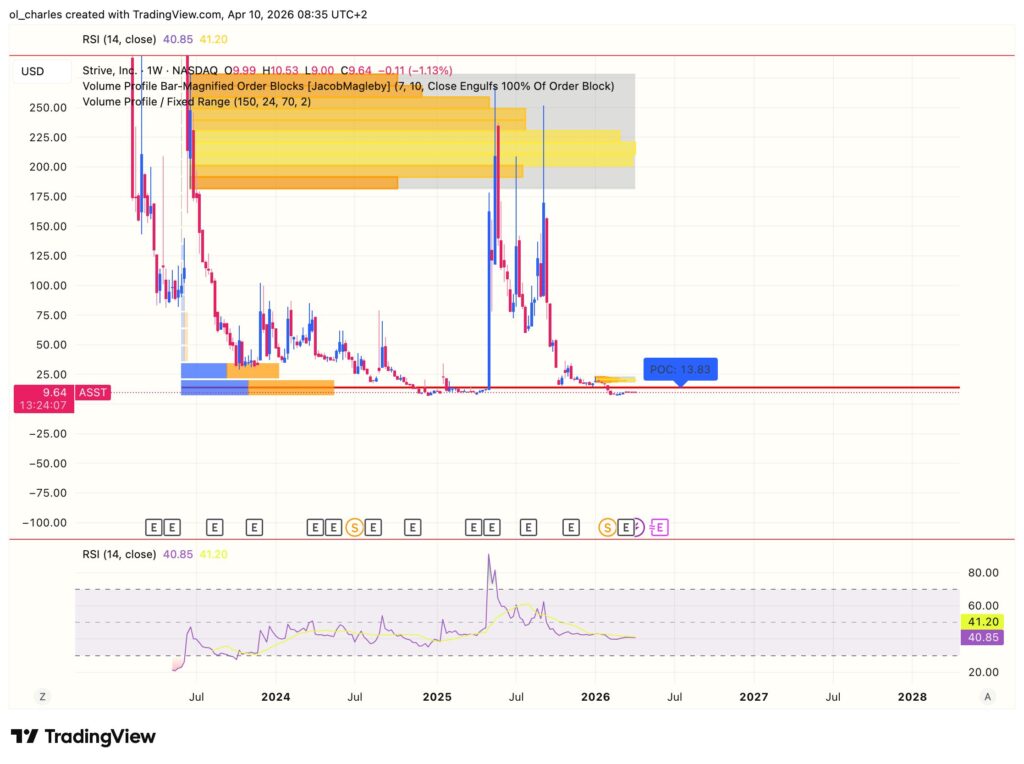
On the other hand, Strive (ASST), trading at $9.64, is targeting a goal of $26, which corresponds to a 3x increase from its current price. The company stood out by becoming the first public Bitcoin treasury firm to acquire another, an event considered a major catalyst. But from an HTF perspective, the 96% stock crash from their 2025 ATH urges caution. Volatility could also wipe out portfolios if Bitcoin fails to follow this bullish forecast from TD Cowen.
Indeed, it is worth noting that these forecasts rely on an ultra bullish macroeconomic scenario with Bitcoin reaching $140,000 by the end of 2026. In the event of a market correction, these stocks, acting as high beta proxies, could however suffer a severe retracement and a continuation of the overall decline.
The stocks monitored by TD Cowen all have bearish weekly order blocks, suggesting a massive capital flight from the shares.
Can SharpLink (SBET) Soar Thanks to Ethereum?
The analysis is not limited to Bitcoin. SharpLink (SBET), led by industry veterans, is positioning itself as a treasury company focused on Ethereum (ETH). While ETH is navigating around $2,215, the SBET stock, currently at $6.42, has received a price target of $16.
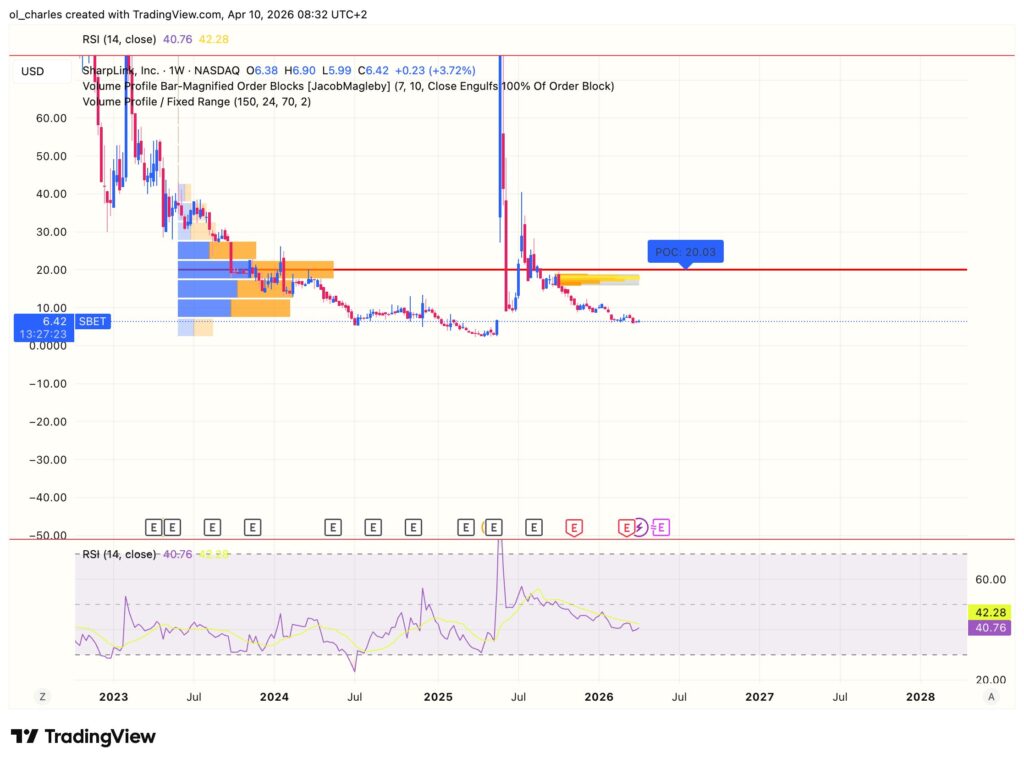
SharpLink’s strategy relies on the growth of Ether per share through treasury operations and staking. Unlike spot Ethereum ETFs where investors bear management fees, SharpLink could offer a superior staking yield. The HTF RSI seems to be stabilizing, indicating that sellers are starting to become scarce. In the event of a bounce, the shares face a major resistance between $16 for the order block and $20 for the weekly POC.
However, a bearish scenario cannot be ruled out. If Ether fails to break through its upcoming resistances and drops below its key supports, the profitability of SharpLink’s staking could be compromised, leading to selling pressure on the stock.
How Far Can These Crypto Stocks Go Against ETFs?
The approach from TD Cowen highlights a fascinating alternative to traditional ETFs. By combining asset accumulation and yield generation, Nakamoto, SharpLink, and Strive offer huge upside potential. But this bet remains risky and closely tied to the trajectory of Bitcoin and Ethereum.
If the six figure price forecasts for BTC materialize, these stocks could offer opportunities for investors. Conversely, prolonged weakness in the crypto market would test the resilience of their business model.
Investors must closely monitor the support and resistance levels of BTC and ETH in the coming weeks. The question remains open: are these digital treasury stocks the best way to capture the next crypto market surge?
Sources:
Related Articles: