

The Difference Between XRP and Other Altcoins
The contrast is striking in the crypto markets this week. While Bitcoin is posting notable gains and galvanizing the entire sector, XRP remains lagging behind. This underperformance comes at a time when more than $423 million has been wiped from the token’s market cap, without triggering any significant rebound. To understand this anomaly, we need to examine several market dynamics that are specifically weighing on XRP.
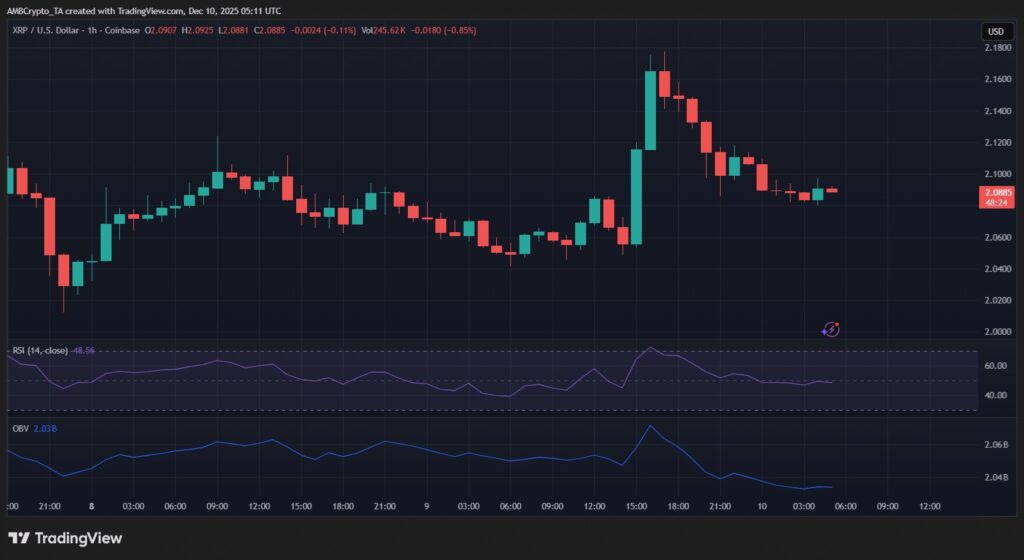
The massive liquidation of positions on Ripple has created unusual selling pressure. This $423 million primarily represents leveraged positions that were forced to close during recent fluctuations. Normally, such a flush should clean up the order book and prepare for a technical rebound. Yet, the price action remains surprisingly flat, oscillating within a narrow range despite the improvement in overall sentiment.
Bitcoin Dominates Attention While XRP Stalls
Bitcoin’s dominance over investment flows largely explains the situation. Capital is flowing massively toward BTC, draining liquidity available for major altcoins. This classic sector rotation concentrates the attention of institutional and retail investors on the market leader. XRP is therefore experiencing a crowding-out effect, even though its fundamentals haven’t significantly changed.
On-chain data reveals moderate trading activity on XRP, with volumes below their 30-day moving average. This apathy contrasts with the excitement observed on Bitcoin and certain layer 2 altcoins. Traders seem to be adopting a wait-and-see approach on XRP, preferring to capitalize on assets offering more immediate volatility and profit opportunities.
The regulatory context also continues to weigh on sentiment. Although Ripple has won significant legal victories against the SEC, uncertainty persists regarding XRP’s definitive status. This sword of Damocles dampens institutional investor appetite, who favor assets with a more clearly established legal framework.
Related articles:

