
SpaceX Reserves 5% of IPO Shares for Insiders: What It Really Means
SpaceX's amended S-1 reserves 5% of IPO shares for insiders. Here's what this means for retail investors, crypto markets, and Elon Musk's grip on capital.
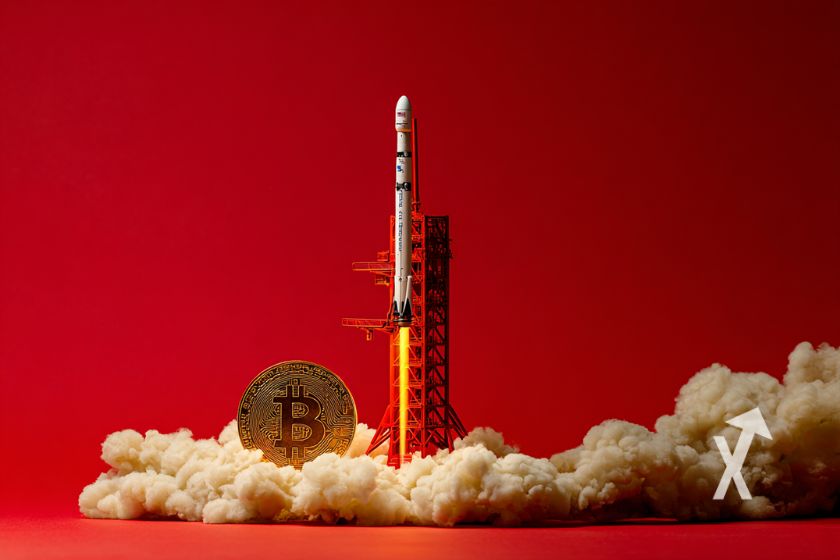

SpaceX's amended S-1 reserves 5% of IPO shares for insiders. Here's what this means for retail investors, crypto markets, and Elon Musk's grip on capital.
SpaceX has just filed an amended S-1 that sets aside a portion of its initial public offering for its own teams. It is a strategic decision that speaks volumes about how Elon Musk intends to control the company’s shareholder structure from day one of trading.
Behind this 5% allocation lies an entire governance philosophy — and legitimate questions about retail investors’ access to one of the most anticipated IPOs of the decade.
Here is what this filing actually reveals, and why financial markets — crypto included — are watching this deal very closely.
In its amended S-1 filed with the SEC, SpaceX confirms that approximately 5% of the shares issued during its IPO will be allocated to insiders — meaning select employees and executives chosen directly by company leadership. This practice, known as a directed share program, is legal but remains relatively uncommon at this scale.
In practice, the selection of beneficiaries will not be automatic or based on seniority. It is leadership — and therefore Elon Musk above all — who will determine who gets access to shares at the IPO price. This mechanism concentrates decision-making power at the very top of the hierarchy and reinforces internal control over capital distribution from the outset.
This type of internal allocation typically serves two purposes: retaining key talent by giving them a direct stake in the company’s valuation, and limiting public float dilution by mechanically reducing the share available to outside investors. In the case of SpaceX, whose valuation is estimated at several hundred billion dollars, even 5% represents a colossal sum.
SpaceX is no ordinary company for the crypto ecosystem. Elon Musk remains one of the most influential figures when it comes to cryptocurrency market sentiment — his public statements on Dogecoin, Bitcoin, and X (formerly Twitter) have historically triggered significant price moves. A successful SpaceX IPO would strengthen his financial and symbolic capital, with potential knock-on effects on his ability to move digital asset markets.
Beyond that, several players in the crypto space are watching this deal for a more structural reason: the emergence of tokens backed by pre-IPO equity on decentralized platforms. Protocols are already offering synthetic products and prediction markets around SpaceX‘s valuation, creating a direct bridge between traditional finance and DeFi.
Finally, the governance structure chosen by SpaceX — with a concentrated internal allocation and strong top-down control — echoes the recurring debates in crypto around the real decentralization of projects. Who holds the tokens at launch? What share goes to founding teams? These questions, which are central to crypto, find a striking parallel here in traditional finance.
The filing of an amended S-1 does not mean the IPO is imminent. SpaceX still needs to receive final clearance from the SEC, set a price range, and choose its market window. In an environment of elevated interest rates and persistent equity market volatility, timing remains a critical factor.
For retail investors, direct access to this IPO will likely be limited. The insider allocation reduces the available float, and the major investment banks mandated for the deal will generally prioritize their institutional clients. Alternatives include specialist funds, thematic ETFs, or — for the more experienced — decentralized prediction markets already active on the subject.
One thing is certain: the SpaceX IPO will be one of the major financial events of the year, with potential ripple effects that reach well beyond traditional equity markets.

Alexandre is one of the core writers at the crypto media outlet InvestX.fr. He specializes in finance in the broadest sense and has a true passion for writing. His articles offer expert insights into investing, the stock market, and cryptocurrencies.
DISCLAIMER
This article is for informational purposes only and should not be considered as investment advice. Trading cryptocurrencies involves risks, and it is important not to invest more than you can afford to lose.
InvestX is not responsible for the quality of the products or services presented on this page and cannot be held liable, directly or indirectly, for any damage or loss caused by the use of any product or service featured in this article. Investments in crypto assets are inherently risky; readers should conduct their own research before taking any action and invest only within their financial means. This article does not constitute investment advice.


Risk Warning : Trading financial instruments and/or cryptocurrencies carries a high level of risk, including the possibility of losing all or part of your investment. It may not be suitable for all investors. Cryptocurrency prices are highly volatile and can be influenced by external factors such as financial, regulatory, or political events. Margin trading increases financial risks.
CFDs (Contracts for Difference) are complex instruments with a high risk of rapid capital loss due to leverage. Between 74% and 89% of retail investor accounts lose money when trading CFDs. You should assess whether you understand how CFDs work and whether you can afford to take the high risk of losing your money.
Before engaging in financial or cryptocurrency trading, you must be fully informed about the associated risks and fees, carefully evaluate your investment objectives, level of experience, and risk tolerance, and seek professional advice if needed. InvestX.fr and the InvestX application may provide general market commentary, which does not constitute investment advice and should not be interpreted as such. Please consult an independent financial advisor for any investment-related questions. InvestX.fr disclaims any liability for errors, misinvestments, inaccuracies, or omissions and does not guarantee the accuracy or completeness of the information, texts, graphics, links, or other materials provided.
Some of the partners featured on this site may not be regulated in your country. It is your responsibility to verify the compliance of these services with local regulations before using them.

