Curve DAO (CRV): What it is, how it works, and what this crypto is used for in 2026
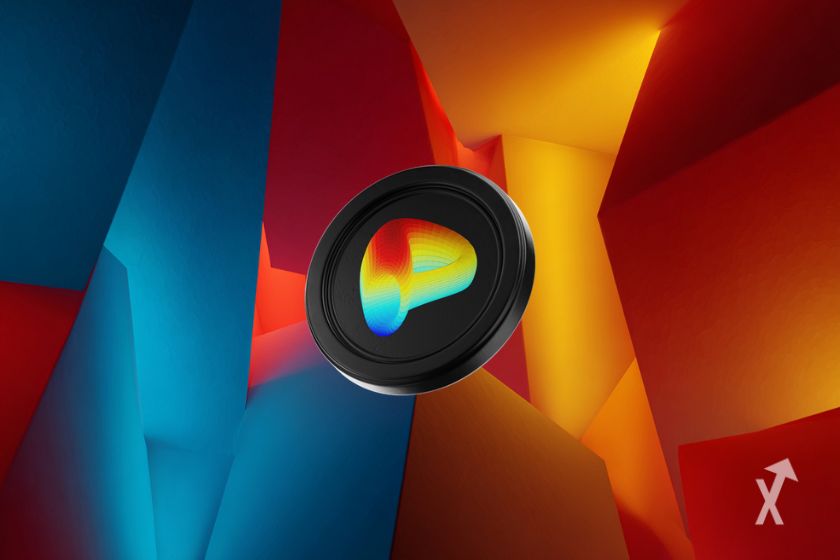
What is Curve DAO? In the vibrant world of Decentralized Finance (DeFi), Curve has emerged as a prominent player, focusing on stablecoin swapping. Using the CRV governance token, the protocol has built a strong ecosystem, attracting billions in liquidity. Explore this project's operation, history, and future potential.
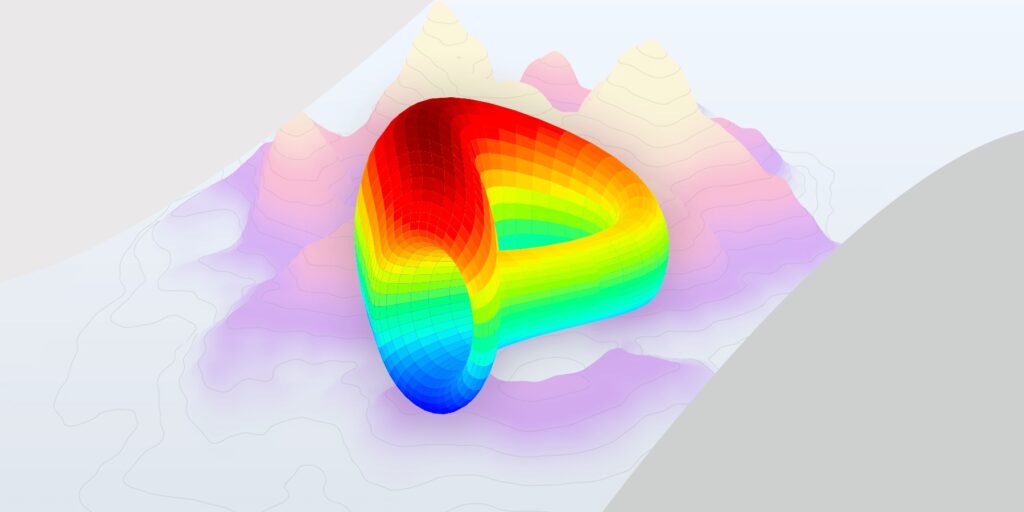
Curve is a decentralized finance protocol (DeFi) that operates as a decentralized exchange platform (DEX). Its defining feature is being an automated market maker (AMM) optimized specifically for exchanges between similarly priced assets. This primarily concerns stablecoins (such as USDC, DAI, or USDT) and wrapped versions of cryptocurrencies (like wBTC for Bitcoin).
Curve’s goal is to enable exchanges with minimal price slippage and very low fees, making it a preferred solution for traders and DeFi protocols handling large volumes of stablecoins.
Unlike traditional exchange platforms that use order books, Curve relies on liquidity pools. Users, known as liquidity providers, deposit their assets into these pools and are rewarded in return with a portion of the transaction fees generated on the platform, as well as with CRV tokens.
The History of Curve
The Curve journey truly began with the publication of the “StableSwap” whitepaper in November 2019. This document, written by its founder, laid the groundwork for an innovative algorithm enabling stablecoin exchanges with unprecedented efficiency.
The protocol officially launched in January 2020, at the heart of the emerging decentralized finance movement. Very quickly, Curve gained popularity, becoming critical infrastructure for the entire DeFi ecosystem on Ethereum.
The launch of the CRV token and the decentralized autonomous organization (DAO) in August 2020 marked a crucial milestone. This event, unexpectedly triggered by a community member who deployed the smart contract independently, accelerated the project’s decentralization. The Curve team subsequently validated this deployment, thus entrusting protocol governance to its community of token holders.
Who is Curve’s Creator?
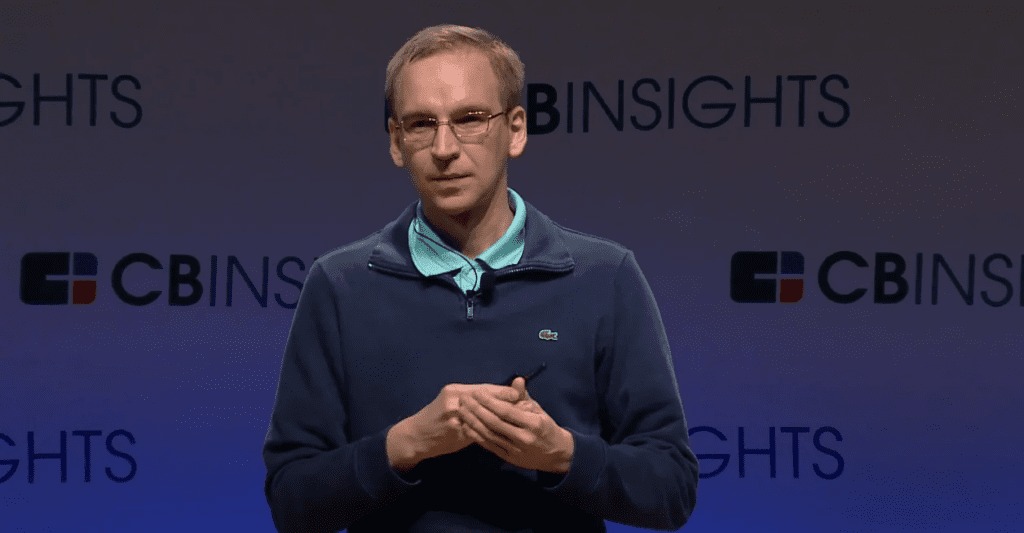
The mastermind behind Curve is Michael Egorov, a Russian scientist and entrepreneur. Before venturing into the cryptocurrency universe, Egorov earned a degree from the Moscow Institute of Physics and Technology and worked in the field of physics, particularly on lasers and superconductors.
His foray into crypto began with the co-founding of NuCypher, a project focused on privacy protection on the blockchain. It was with this technical experience that he conceived and developed Curve, identifying a crucial need for a more efficient stablecoin market within DeFi.
What is Curve (CRV) Crypto Used For?
The CRV token is at the heart of the Curve DAO ecosystem and fulfills three main functions. First, it serves as a governance token. CRV holders can lock their tokens to obtain veCRV (vote-escrowed CRV), which grants them voting power within the DAO. The longer the lock-up period (up to 4 years), the greater the voting power. These votes allow decisions on the protocol’s strategic directions, such as adding new liquidity pools or modifying fees.
Second, CRV is used as an incentive for liquidity providers. By depositing assets into pools, users receive not only a portion of transaction fees but also rewards in CRV tokens. This mechanism has been a powerful driver for attracting the massive liquidity that made Curve successful.
Finally, veCRV holders benefit from a “boost” on their own liquidity provider rewards, potentially multiplying their gains up to 2.5 times. They also receive a portion of transaction fees generated by the entire protocol, creating a passive income source.
Which Blockchain Does Curve Operate On?
Initially launched on the Ethereum blockchain, which remains its primary market, Curve quickly adopted a multi-chain strategy to expand its reach and offer more accessible transaction fees. Today, the Curve protocol is deployed on about ten different blockchains, including Layer 2 solutions and alternative EVM-compatible (Ethereum Virtual Machine) chains.
Among the most important, we find Polygon, Arbitrum, Optimism, Fantom, and Avalanche. This presence across multiple networks allows Curve to capture a broader user base and integrate with numerous DeFi ecosystems.
Advantages and Disadvantages of Curve DAO
Like any project, Curve DAO has strengths and weaknesses that are important to understand.
Advantages
Unmatched efficiency for stablecoins: Its unique algorithm delivers near-zero slippage and very low fees.
Deep liquidity: The protocol manages billions of dollars, ensuring strong exchange stability.
Central role in DeFi: Many other protocols rely on Curve for core operations.
Robust tokenomics model (veCRV): The locking mechanism incentivizes long-term participation and alignment.
Disadvantages
Complex interface: The user experience can be intimidating for beginners.
Smart contract risks: Like all DeFi protocols, Curve is exposed to vulnerabilities (e.g., the July 2023 incident).
Complex governance (Curve Wars): Competition for CRV rewards can lead to intricate and opaque dynamics.
Stablecoin dependency: The protocol is highly exposed to the health and regulation of the stablecoin market.
Curve (CRV) Price and Predictions
The CRV token price is influenced by many factors, including overall DeFi adoption, transaction volume on Curve, and governance dynamics known as the “Curve Wars.” After reaching peaks during previous bull cycles, CRV experienced a sharp correction, like most of the market. Here’s where its price stands today:
For the coming months, analysts are closely monitoring Curve’s ability to maintain its dominant position against growing competition. A DeFi market recovery could see CRV testing resistance levels around $0.55 to $0.75. For 2026, predictions vary, but moderate consensus suggests a gradual return to the $1 to $1.50 zone, conditioned on continued protocol innovation and a favorable regulatory environment.
Important Moments in Curve DAO History
Here are the key moments that shaped the history of Curve DAO and its CRV token:
November 2019: Publication of the “StableSwap” whitepaper by Michael Egorov.
January 2020: Official launch of the Curve platform on Ethereum.
August 2020: Deployment of the DAO contract and CRV token by the community.
June 2021: Launch of Curve v2, extending the protocol to variable-priced assets.
January 2022: The protocol’s TVL (Total Value Locked) reaches a historic peak of over $24 billion.
October 2022: Publication of the whitepaper for LLAMA (Lending-Liquidating AMM Algorithm), the foundation for Curve’s future stablecoin.
May 2023: Launch of Curve’s native stablecoin, crvUSD.
July 2023: A major hack affects several liquidity pools due to a vulnerability in the Vyper programming language.
March 2024: Launch of LlamaLend, Curve’s lending platform based on the LLAMA algorithm.
August 2024: 4th anniversary of the CRV token, marked by a programmed reduction in inflation and the end of team token vesting.
October 2024: Introduction of scrvUSD, a yield-generating version of crvUSD for its holders.
August 2025: 5th anniversary of the CRV token with a new inflation reduction, strengthening its economic model.
How and Where to Buy Curve (CRV)?
Buying CRV tokens is a simple process, accessible on most major exchange platforms. Here’s a quick tutorial for acquiring them on Bitget:
Create a Bitget account: Go to the Bitget website and follow the instructions to register and verify your identity (KYC).
Deposit funds: Fund your account in euros (by bank transfer or credit card) or by depositing another cryptocurrency (such as USDT or BTC).
Access the Spot market: In the navigation menu, find the “Spot Trading” section.
Search for the CRV/USDT pair: Use the search bar to find the trading pair corresponding to CRV.
Place a buy order: Choose a “Market” order to buy at the current price or a “Limit” order to set a specific purchase price. Enter the amount you wish to buy.
Confirm the transaction: Check your order details and confirm the purchase. Your CRV tokens will then be credited to your Bitget wallet.
Once you’ve acquired your CRV tokens, it’s crucial to store them securely. While exchange platforms are convenient for trading, they’re not the safest option for long-term storage. The most secure method is to use a cold wallet, which keeps your private keys offline, safe from hacking attempts.
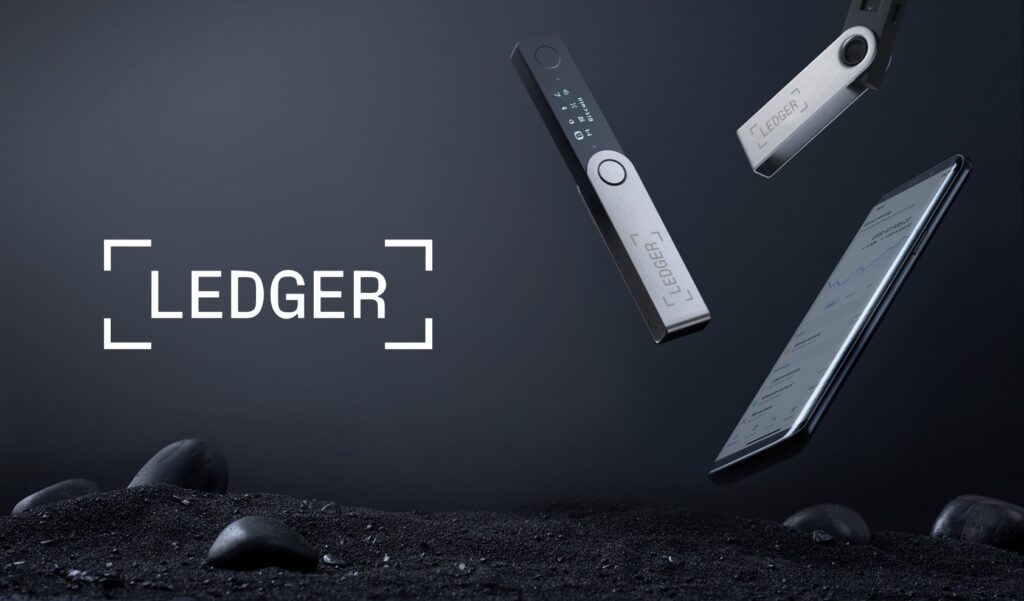
Wallets from the Ledger brand, such as the Ledger Nano S Plus or the Ledger Nano X, are market leaders and are highly recommended. They support the CRV token and allow you to manage your assets via the Ledger Live application, giving you complete control and maximum security over your investments.
How to Get Curve (CRV) for Free?
There are mainly two ways to obtain CRV tokens without buying them directly. The first and most common is to participate as a liquidity provider on the Curve platform. By depositing your stablecoins or other assets into liquidity pools, you’ll receive rewards in the form of CRV tokens, distributed proportionally to your share in the pool.
The second method is to stake CRV tokens. While this doesn’t generate “free” CRV per se, locking your CRV to obtain veCRV entitles you to a share of the protocol’s transaction fees, which are distributed in stablecoins. These revenues can then be used to purchase additional CRV, creating a virtuous cycle.
Is Curve (CRV) Legal?
Yes, the CRV token and the Curve protocol are legal. In Europe, the crypto-asset ecosystem is governed by MiCA regulations (Markets in Crypto-Assets), which has been progressively implemented since 2024. This regulatory framework aims to harmonize rules, protect investors, and ensure financial stability.
Curve, as a decentralized protocol, and CRV, as a utility and governance token, operate within this framework. It is therefore completely legal for a European citizen to hold, exchange, and use CRV tokens.
Our Opinion on Curve DAO and Its CRV Token in 2026
Curve DAO isn’t simply another DeFi protocol; it’s a cornerstone of decentralized finance infrastructure. Its role as an ultra-efficient exchange ramp for stablecoins gives it a strategic position and utility that remains unwavering. Despite the 2023 hack, the protocol has shown remarkable resilience, proving the soundness of its design and the commitment of its community.
In 2026, the future of Curve and its CRV token looks promising, but conditioned on its ability to innovate. The launch of the crvUSD stablecoin and its LlamaLend lending market are positive developments that diversify its revenue sources. Moreover, the tokenomics model with veCRV remains one of the smartest in the ecosystem, aligning token holders’ interests with the protocol’s long-term success. For investors who believe in DeFi’s sustainability, CRV represents an investment in a fundamental and proven project.
Gaston has been a writer for over 7 years and a passionate cryptocurrency enthusiast since 2020. He loves exploring the crypto ecosystem and is now dedicated to sharing his insights and discoveries through InvestX.
FAQ about Curve DAO (CRV)
What is Curve in one sentence?
Curve is a decentralized exchange optimized for stablecoin trading with very low fees and minimal price slippage.
What is the CRV token used for?
CRV is used for protocol governance, to reward liquidity providers, and to boost user yields.
Who created Curve?
Curve was created by Russian scientist and entrepreneur Michael Egorov.
Is CRV a good investment?
CRV can be considered an investment in core DeFi infrastructure, but it remains subject to market volatility.
On which blockchain can CRV be found?
CRV is primarily on Ethereum, but it is also available on other chains such as Polygon, Arbitrum, and Fantom.
What is crvUSD?
crvUSD is the native over-collateralized stablecoin launched by the Curve protocol.
How does veCRV work?
veCRV is obtained by locking CRV and grants voting power as well as increased rewards.
Is Curve safe to use?
Curve is one of the most audited protocols, but like all DeFi platforms, it carries smart contract risks.
What is the difference between Curve and Uniswap?
Curve specializes in assets with similar prices (stablecoins), while Uniswap is a more general-purpose AMM.
How can I buy CRV?
You can buy CRV on most major exchanges such as Bitget, Binance, or Coinbase.
DISCLAIMER
This article is for informational purposes only and should not be considered as investment advice. Trading cryptocurrencies involves risks, and it is important not to invest more than you can afford to lose.
InvestX is not responsible for the quality of the products or services presented on this page and cannot be held liable, directly or indirectly, for any damage or loss caused by the use of any product or service featured in this article. Investments in crypto assets are inherently risky; readers should conduct their own research before taking any action and invest only within their financial means. This article does not constitute investment advice.
Risk Warning : Trading financial instruments and/or cryptocurrencies carries a high level of risk, including the possibility of losing all or part of your investment. It may not be suitable for all investors. Cryptocurrency prices are highly volatile and can be influenced by external factors such as financial, regulatory, or political events. Margin trading increases financial risks.
CFDs (Contracts for Difference) are complex instruments with a high risk of rapid capital loss due to leverage. Between 74% and 89% of retail investor accounts lose money when trading CFDs. You should assess whether you understand how CFDs work and whether you can afford to take the high risk of losing your money.
Before engaging in financial or cryptocurrency trading, you must be fully informed about the associated risks and fees, carefully evaluate your investment objectives, level of experience, and risk tolerance, and seek professional advice if needed. InvestX.fr and the InvestX application may provide general market commentary, which does not constitute investment advice and should not be interpreted as such. Please consult an independent financial advisor for any investment-related questions. InvestX.fr disclaims any liability for errors, misinvestments, inaccuracies, or omissions and does not guarantee the accuracy or completeness of the information, texts, graphics, links, or other materials provided.
Some of the partners featured on this site may not be regulated in your country. It is your responsibility to verify the compliance of these services with local regulations before using them.
Get 6200 USDT with Bitget ! 🔥
Don't miss out on this offer !
Create your account now to unlock this exclusive reward