How to Start Trading as a Beginner in 2026 : A Simple Step-by-Step Guide
Trading has evolved into a dynamic and accessible investment opportunity. Whether you seek supplemental income or financial independence, mastering trading mechanisms is crucial. Our comprehensive guide navigates you from basic concepts to advanced strategies, empowering you to embark confidently on your trading journey in 2025.
Trading refers to the activity of buying and selling financial assets with the aim of making profits in the short to medium term. Unlike traditional investing which favors a long-term approach, trading exploits price fluctuations to generate quick gains.
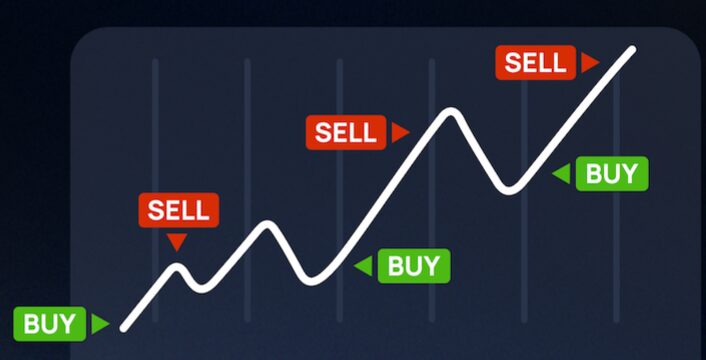
The fundamental principle is based on a simple logic : buying an asset at a given price and selling it at a higher price, or conversely, short selling an asset that you anticipate will decrease in value. This speculation on price movements constitutes the very essence of trading activity.
The financial markets offer a multitude of opportunities. Forex represents the largest market in the world with a daily volume exceeding 6 trillion dollars. Company stocks, commodities, and stock indices complete this range of investments.
The emergence of cryptocurrencies has revolutionized the trading universe by creating a new market operating 24/7. Bitcoin, Ethereum, and thousands of other digital tokens present exceptional volatility that attracts many traders.
Different Types of Trading
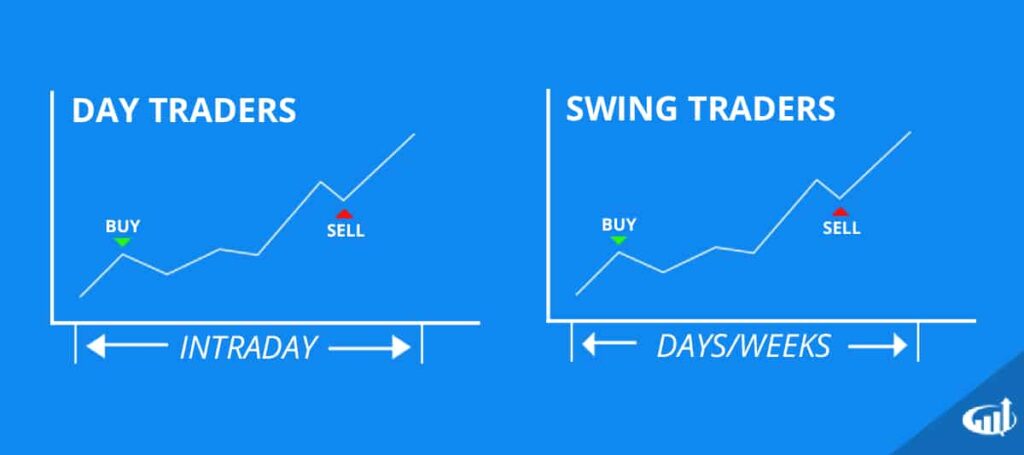
The classification of trading styles is primarily based on position holding duration. Each approach corresponds to different profiles with specific requirements in terms of capital, time, and risk tolerance.
Scalping : Ultra-Short-Term Trading
Scalping represents the most intensive form of trading. This technique involves opening and closing positions over periods of a few seconds to a few minutes. Scalpers seek to capture very small movements by multiplying transactions.
Leverage is an essential tool to amplify gains on small variations. However, this particularly risky strategy requires maximum concentration and is only suitable for experienced traders with plenty of time.
Day Trading : Intraday Trading
Day trading is the most popular approach. This strategy involves opening and closing positions during the same session, avoiding keeping positions open overnight.
Risk management tools take on their full importance. The stop loss automatically limits losses while the take profit secures gains. Technical analysis plays a predominant role with the study of charts and indicators.
Swing Trading : Medium-Term Trading
Swing trading adopts a broader time perspective, with positions maintained for several days to several weeks. This approach is suitable for traders with less time to monitor markets.
Fundamental analysis becomes increasingly important by studying economic factors and company results. This strategy allows for capturing more significant movements by targeting gains of 5 to 20% per position.
How to Start Trading ?
Learning trading requires a methodical and progressive approach. Success is based on solid technical skills, rigorous discipline, and a deep understanding of financial markets.
Education First
Financial education forms the foundation of any successful trading career. Learning resources abound on the Internet with specialized sites like InvestX offering free educational content.
Reference books remain essential : “The Art of Trading” by Thami Kabbaj, “Trader Pro” by Benoist Rousseau are essential readings. Paid online courses provide an educational structure and personalized guidance.
Trading communities on Discord, Telegram, or specialized forums offer a valuable collaborative learning environment. Exchanging with other traders, sharing analyses, and benefiting from experience feedback considerably enriches theoretical training.
Finally, practice on a demo account represents an essential step before risking real money. This simulation phase should last at least 2-3 months to validate profitability over a significant period and acquire the necessary experience.
Choosing Your Broker
Selecting a broker represents a crucial decision. Regulation by a recognized financial authority (FCA, SEC, ASIC) constitutes the first security criterion. Brokerage fees, the quality of the trading platform, and the diversity of available assets directly influence trading conditions.
Spreads and commissions directly impact your profitability, particularly for active traders. Compare these costs carefully as they can represent several thousand dollars in annual savings depending on your trading frequency.
Customer service and educational resources offered by the broker greatly facilitate learning for beginners. Prioritize brokers offering responsive support in English and comprehensive training tools to optimize your progress.
The fundamental rule states never to invest more than 10% of your total assets in trading. The recommended minimum capital varies by type : $1,000 to $2,000 for day trading, $500 to $1,000 for swing trading.
Progressive capital management constitutes a recommended prudent approach. Starting with a reduced amount allows you to gain experience without risking significant sums, then gradually increase once profitability is demonstrated.
However, borrowing to finance trading represents a major mistake to absolutely avoid. This activity must exclusively be carried out with your own funds that you can afford to lose entirely without compromising your financial situation.
Continuing Education
Learning never stops. Analyzing your trades and keeping a trading journal help identify strengths and weaknesses. Adapting to market developments requires continuous training.
Economic monitoring and studying new strategies keep your skills up to date. Financial markets constantly evolve and only traders capable of adaptation maintain their profitability over the long term.
Advanced training on specific topics (in-depth technical analysis, trader psychology, algorithmic trading) allows you to perfect your skills and explore new approaches to optimize your performance.
5 Fundamentals for Trading Success
Success is based on five fundamental pillars that every serious trader must master.
Understanding Financial Markets and Their Actors
Institutional investors represent the majority of traded volumes. Automated trading algorithms execute a significant proportion of transactions and the impact of economic news often causes immediate market reactions.
These institutional actors (banks, pension funds, hedge funds) have considerable capital and sophisticated tools that influence major trends. Understanding their action logic helps anticipate significant market movements.
Market cycles alternate between bullish and bearish phases according to recurring patterns. Recognizing these cycles and adapting your strategy accordingly considerably improves trading performance.
Mastering Fundamental Analysis
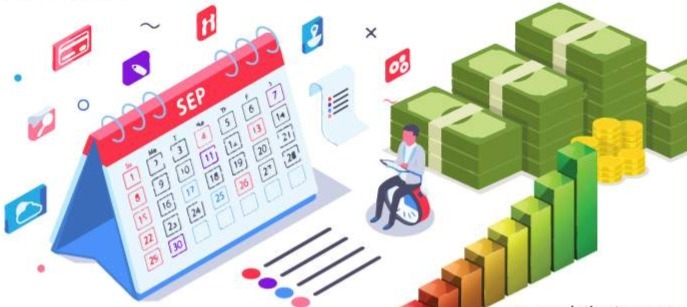
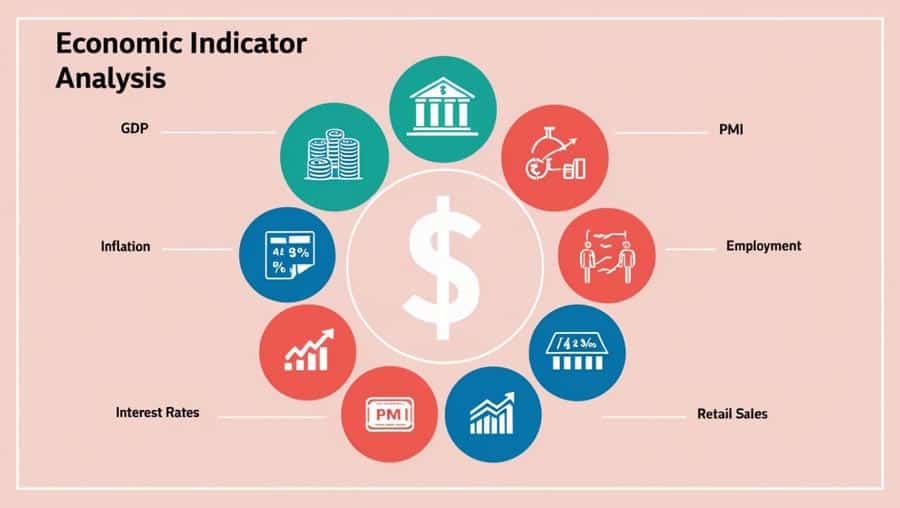
Fundamental analysis evaluates the intrinsic value of an asset by studying economic and financial factors. Economic indicators (GDP, inflation, unemployment) guide central bank decisions. The economic calendar lists important publications.
Interpreting economic data and understanding their interactions allows anticipating market movements. High inflation can push a central bank to increase its rates, strengthening the currency but penalizing stocks.
In the cryptocurrency universe, fundamental analysis examines the underlying technology, development team, partnerships, and adoption. These factors determine the long-term viability of a blockchain project and its appreciation potential.
Learning Technical Analysis
Technical analysis studies price evolution to anticipate future movements. Reading candlestick charts reveals market psychology. Technical indicators (moving averages, RSI, MACD) automate analysis. Support and resistance identify key levels.
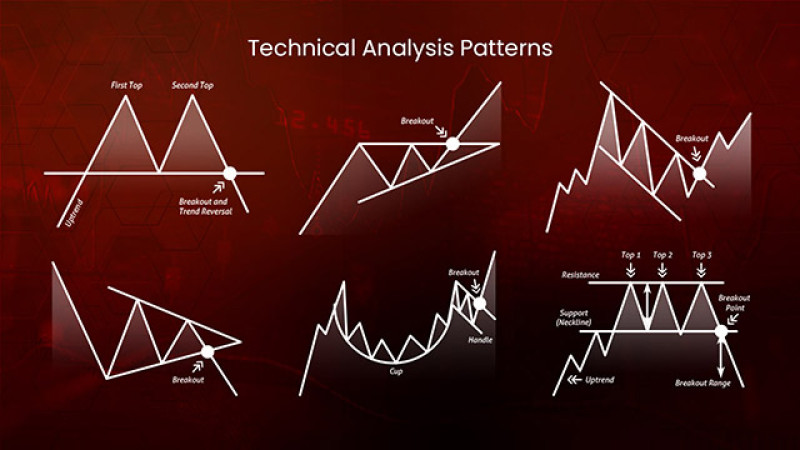
Chart patterns (triangles, flags, head and shoulders) often signal trend reversals or continuations. Recognizing these patterns and understanding their probabilistic implications improves the accuracy of price forecasts.
Multi-timeframe analysis combines different time units to obtain a complete market view. This approach allows identifying the general trend on long-term charts and precise entry points on short-term charts.
Developing Rigorous Risk Management
The 1-2% rule limits risk per trade to a maximum of 1 to 2% of total capital. The minimum risk/reward ratio of 1:2 also ensures positive profitability. Then diversification spreads risks across multiple assets.
Position sizing calculation is performed based on the distance to the stop loss to respect the authorized risk percentage. This mathematical approach guarantees consistent risk exposure across all trades.
The correlation between assets must be taken into account to avoid false diversification. Simultaneously holding positions on EUR/USD and GBP/USD offers limited protection as these pairs often move in the same direction.
Developing Trader Psychology
Emotion management influences results more than technical skills. Discipline imposes strict adherence to your strategy, patience allows waiting for the best opportunities. Finally, accepting losses is an essential mental prerequisite.
Psychological biases (fear, greed, hope) often push towards irrational decisions. Developing a structured trading routine helps maintain emotional discipline and mechanically execute your strategy.
Stress management becomes crucial during difficult periods. Maintaining a work/life balance and practicing regular physical activity contribute to preserving the mental clarity necessary for profitable trading.
To start trading, there are specialized online platforms. Access to trading is very easy today thanks to the Internet and dozens of companies that act as intermediaries between traders and markets.
These actors are called brokers and offer Contracts for Difference (CFDs). The contract is what the trader actually buys when opening a trade. If they take a position to buy an asset, they purchase a contract from the broker specifying they’re betting on the asset’s price increase.
If the price movement increases and they close their trade with a profit, the broker pays them the profit. These brokers earn revenue through various fees such as spreads, inactivity fees, overnight fees, etc.
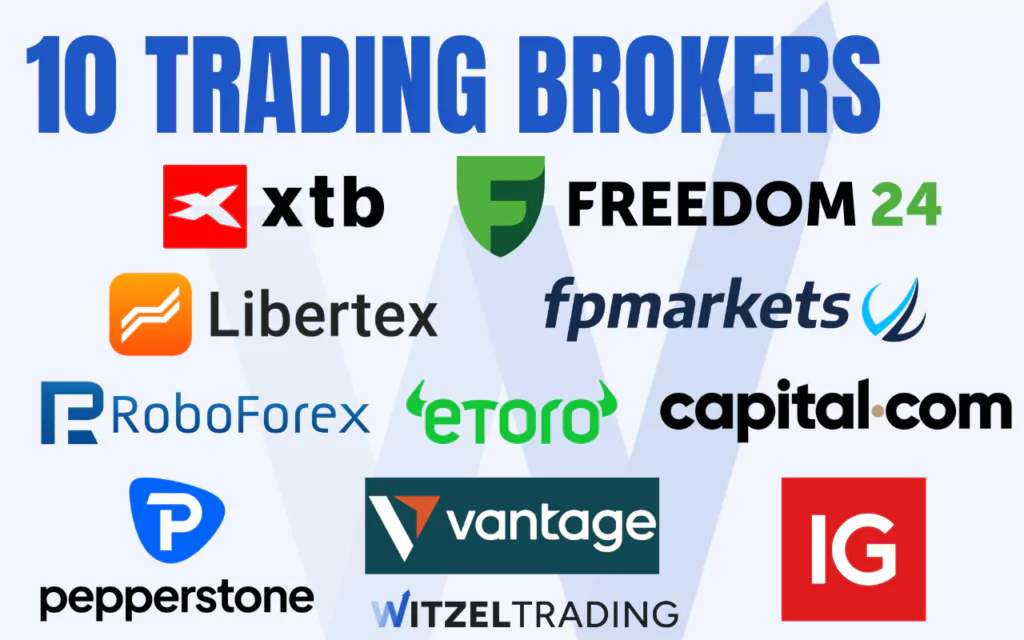
There are numerous trading brokers in the UK, USA, and Canada, here are some of them :
Trading attracts with its numerous advantages. Geographic freedom allows working from anywhere with a computer and internet connection. This geographic independence opens extraordinary life perspectives with the nomadic lifestyle.
Financial independence represents the ultimate goal with theoretically unlimited earning potential. Schedule flexibility allows organizing your day according to your preferences. Developing analytical skills enriches your professional profile.
Then, democratized accessibility allows everyone to participate in financial markets with modest capital.
How Much Does a Trader Earn ?
Income varies enormously according to numerous factors. The starting capital directly influences gains in absolute value. The strategies employed determine return profiles and experience constitutes a determining factor often underestimated.
Realistic statistics reveal that approximately 80% of retail traders lose money. Among the profitable 20%, the majority achieves performances of 5 to 15% annually. A beginner trader with $5,000 can hope for $250 to $500 in annual gains after training.
An experienced trader managing $50,000 can target $5,000 to $10,000 in annual profits. But one should not neglect taxation which can reach up to 45% for high incomes in some countries.
Our Opinion on Trading in 2026
At InvestX, we love investing, finance, and trading. Our team specializes in forex trading and other markets. We believe that trading constitutes a very good form of investment if done rigorously and with proper knowledge.
We don’t recommend trading at all costs. If you have no desire to learn and you have a small capital that you cannot risk losing, it’s better not to get started.
However, if you’re thirsty to learn a new skill and are aware of the risks, we’ll be delighted to accompany you on this new adventure!
Always be careful about what you hear though. There are many myths and beliefs surrounding trading. It’s not a form of investment where you can win every time. That simply doesn’t exist.
Trading involves risks and you won’t become rich with $200 capital in 1 month. However, with good capital management and solid knowledge, trading can be a profitable investment.
Rédacteur web depuis de nombreuses années et spécialiste en SEO, Thomas a rejoint l'équipe d'InvestX dès le lancement du projet. Passionné par l'univers des cryptomonnaies et du Web3, Thomas s'est donné pour mission d'offrir un maximum de valeur aux lecteurs et de les initier au monde des blockchains, qu'il considère comme l'avenir de la société.
FAQ - Frequently Asked Questions About Trading
What is the minimum capital required to start trading ?
It is possible to start trading with $100 to $500, but we recommend a minimum capital of $1,000 for optimal risk management. The key is to never invest more than 10% of your total net worth in trading.
How long does it take to learn trading ?
Learning the basics of trading takes 3 to 6 months of intensive study. However, becoming consistently profitable can take 1 to 3 years depending on your commitment and learning ability.
Is trading really profitable for individuals ?
Statistics show that 80% of retail traders lose money. However, with proper education, a disciplined strategy, and strict risk management, it’s possible to be among the 20% who are profitable.
What is the difference between trading and investing ?
Trading aims for short-term profits by exploiting price fluctuations, whereas investing involves buying assets to hold for the long term. Trading requires more time and technical skills.
Can you make a living from trading ?
It is possible to make a living from trading, but it requires significant capital (at least $50,000), several years of experience, and strong mental discipline. Most beginners should consider trading as a side income rather than a primary source.
What are the best markets to start trading in ?
Beginners can start with Forex (EUR/USD, GBP/USD) or major cryptocurrencies (Bitcoin, Ethereum), which offer good liquidity. Avoid overly volatile or exotic markets at the beginning.
DISCLAIMER
This article is for informational purposes only and should not be considered as investment advice. Trading cryptocurrencies involves risks, and it is important not to invest more than you can afford to lose.
InvestX is not responsible for the quality of the products or services presented on this page and cannot be held liable, directly or indirectly, for any damage or loss caused by the use of any product or service featured in this article. Investments in crypto assets are inherently risky; readers should conduct their own research before taking any action and invest only within their financial means. This article does not constitute investment advice.
Risk Warning : Trading financial instruments and/or cryptocurrencies carries a high level of risk, including the possibility of losing all or part of your investment. It may not be suitable for all investors. Cryptocurrency prices are highly volatile and can be influenced by external factors such as financial, regulatory, or political events. Margin trading increases financial risks.
CFDs (Contracts for Difference) are complex instruments with a high risk of rapid capital loss due to leverage. Between 74% and 89% of retail investor accounts lose money when trading CFDs. You should assess whether you understand how CFDs work and whether you can afford to take the high risk of losing your money.
Before engaging in financial or cryptocurrency trading, you must be fully informed about the associated risks and fees, carefully evaluate your investment objectives, level of experience, and risk tolerance, and seek professional advice if needed. InvestX.fr and the InvestX application may provide general market commentary, which does not constitute investment advice and should not be interpreted as such. Please consult an independent financial advisor for any investment-related questions. InvestX.fr disclaims any liability for errors, misinvestments, inaccuracies, or omissions and does not guarantee the accuracy or completeness of the information, texts, graphics, links, or other materials provided.
Some of the partners featured on this site may not be regulated in your country. It is your responsibility to verify the compliance of these services with local regulations before using them.
Get 6200 USDT with Bitget ! 🔥
Don't miss out on this offer !
Create your account now to unlock this exclusive reward