

The Decline of Bitcoin Hash Rate: Cause of Concern for Miners
In recent weeks, the Bitcoin community has faced a troubling phenomenon: hash rate, which is the computing power used by miners to secure the network, has dramatically dropped. This sudden decrease, reaching nearly 20% in a few days, has raised concerns among key players in the ecosystem, starting with the miners themselves.
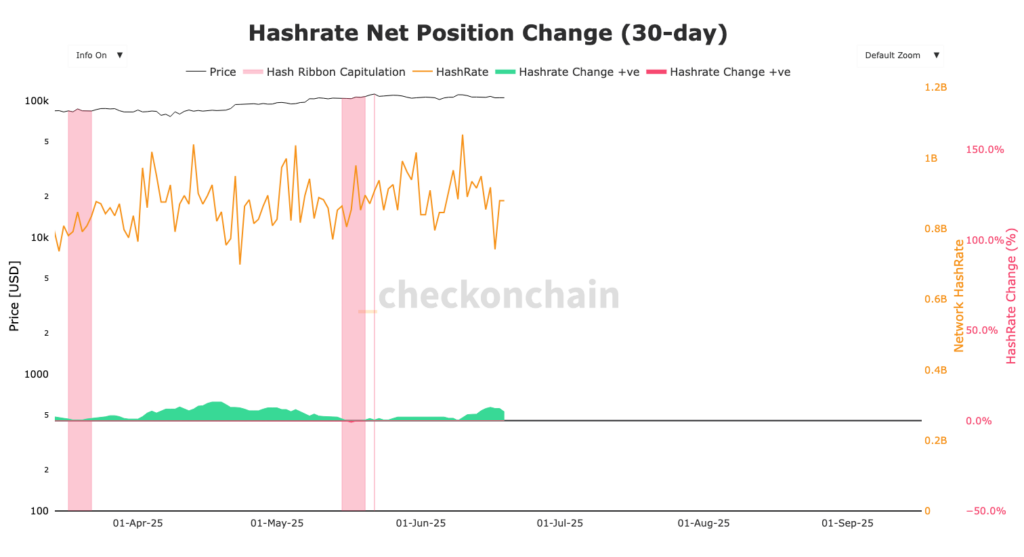
What is Hash Rate and Why Is It Important ?
Hash rate represents the computing capacity of the Bitcoin network, expressed in hashes per second (H/s). The higher this rate, the more secure the network is against attacks, as it becomes extremely costly for a malicious actor to attempt to control it. It is therefore a crucial indicator of the network’s health and robustness.
Several hypotheses are being put forward to explain this phenomenon:
- Adverse Weather Conditions: Some mining regions, particularly in China, have experienced electricity shortages due to extreme weather conditions, forcing miners to temporarily halt their operations.
- Geopolitical Shift: The recent ban on cryptocurrency activities in China may have led miners to relocate their infrastructure, resulting in a temporary decline in hash rate.
- Bitcoin Price Volatility: High volatility in Bitcoin prices may prompt some miners to exit the market when profits are no longer as attractive.
Implications for Bitcoin Network Security
This drop in hash rate raises legitimate concerns about the security of the Bitcoin network. A lower hash rate means the network is potentially more vulnerable to 51% attacks, where a malicious actor would attempt to control the majority of the computing power.
While experts agree that the Bitcoin network remains generally secure, this situation warrants particular attention from miners and the community as a whole. Close monitoring of key indicators and proactive measures will be necessary to preserve the network’s long-term robustness.
What Lies Ahead for Bitcoin Miners ?
Facing this delicate situation, miners are called upon to play a central role in stabilizing the hash rate and reassuring investors. Several strategies are being considered:
- Diversify Mining Regions: By spreading computing power across different geographical areas, miners could reduce risks associated with local disruptions, whether meteorological or regulatory.
- Invest in More Efficient Technologies: Adopting more efficient and energy-saving mining hardware and using renewable energy could stabilize, or even increase, the hash rate while reducing operating costs.
- Enhanced Cooperation Among Miners: Increased coordination among different mining actors and with AI centers could foster a collective response to challenges, ensuring greater network resilience.
- Educate and Raise Public Awareness: By communicating more about the importance of hash rate and its implications, miners could better convey the stakes to investors and the general public.
In the face of this challenge, the mining community will need to demonstrate agility and innovation to preserve the security of the Bitcoin network, a cornerstone of the cryptocurrency ecosystem.
Lastly, it will be important to monitor regulations in each country, as electricity cost taxes can vary significantly. Countries like Paraguay are still adopting cautious policies towards Bitcoin mining. The difficulty in finding a comfortable environment for miners is leading to the capitulation of many miners struggling to cope with the sector’s competitiveness.
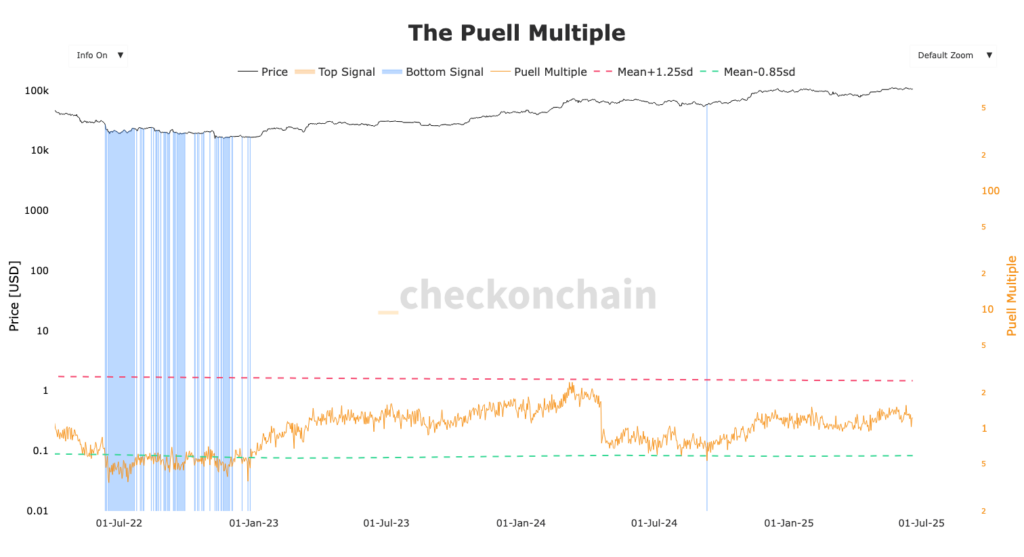
The Puell Multiple remains in a neutral range with a score above 1. The Puell Multiple is a key indicator for analyzing Bitcoin valuation, calculated by dividing the daily value of issued bitcoins (in USD) by the 365-day moving average of that same value, providing insight into miner profitability. So, there is no need for alarm at the moment. Bitcoin is in transition, and the mining sector even more so. Stay tuned for updates.

