

Fed Rate Cuts Are Not Triggering the Rally
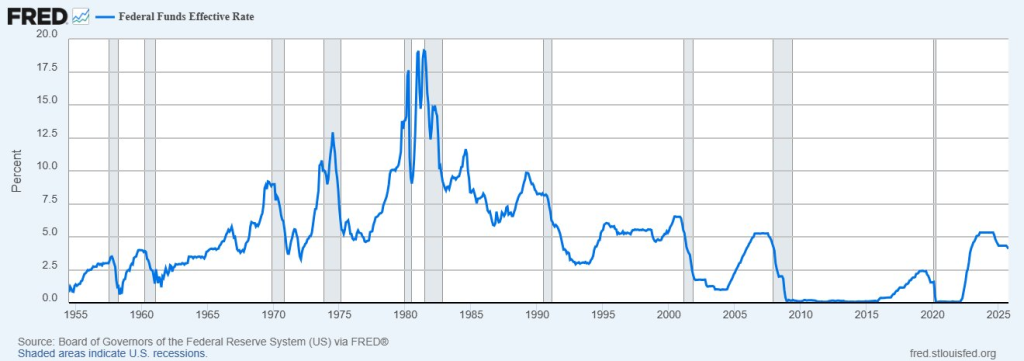
Prediction markets now display an 84% probability for a rate cut on December 10, followed by a likely pause in January. Normally, such an accommodative monetary context should propel risk assets like Bitcoin. Yet, the reality of the market tells a very different story.
The problem lies in the trivialization effect. The Fed proceeded with a cut on October 29 without providing clear guidance on its future policy, triggering a lukewarm market reaction. A third consecutive cut in December risks producing the same indifferent effect. Traders have already priced this decision into their positions, which explains the absence of bullish momentum on BTC.
Investors are now focusing on forward guidance signals rather than the cuts themselves. Without prospects of aggressive quantitative easing or a clearly defined rate trajectory for 2025, Bitcoin remains stuck in a consolidation range between its technical supports and psychological resistances.
A Historic Dollar Signal Usually Announces Red
The 10x research report highlights a rare indicator on the U.S. dollar, triggered for only the fifth time in Bitcoin’s history. Each previous occurrence has resulted in a notable BTC correction, making this signal a major headwind for long positions. Meanwhile, the U.S. Treasury plans to inject more than $600 billion in liquidity. But history shows that Bitcoin rarely reacts immediately to these interventions: During the last massive injection, BTC first corrected before rebounding several weeks later.
On-chain data shows a critical situation for short-term holders. For the first time in three years, BTC’s price has dropped below their average acquisition cost, placing them in unrealized loss. This configuration triggers waves of liquidations and creates intense selling pressure. Reinforced by the major resistance zone located between $95,000 and $105,000, these factors constitute today’s primary bearish driver in the market.
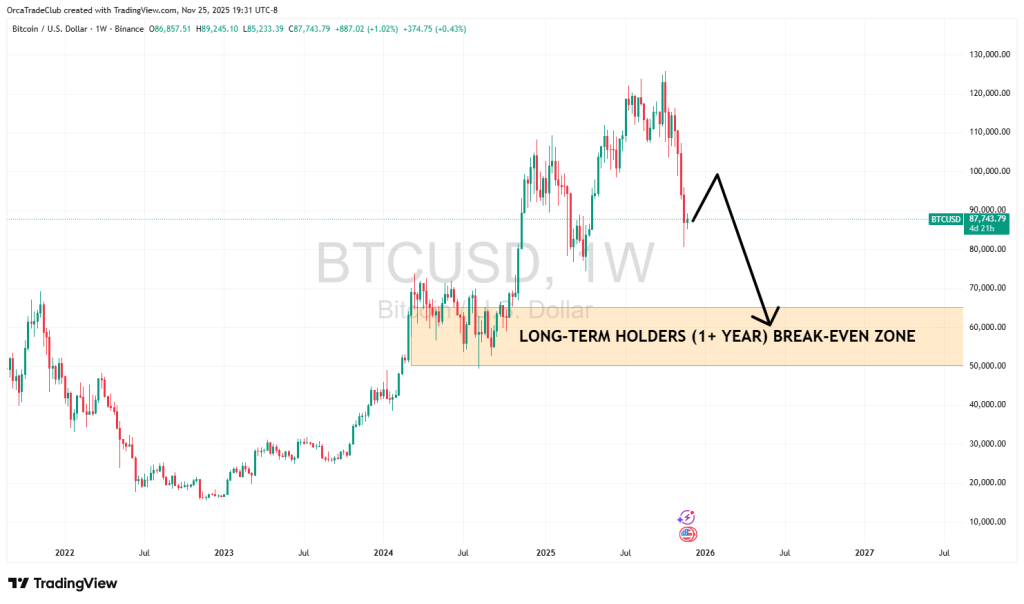
Conversely, long-term holders remain largely profitable and show no signs of capitulation. Their neutrality zone sits between $50,000 and $60,000, far from current levels. This resilience from HODLers limits the risk of a violent crash, but it’s not sufficient to restart genuine bullish momentum as long as macroeconomic and on-chain pressures persist.
Trump’s Political Intervention Adds Uncertainty
A new factor enters the equation with the Trump administration’s ambitions to reshape the Federal Reserve. Sources close to the matter indicate that the presidential team is working to place favorable candidates in key Fed positions, with the objective of accelerating rate cuts and imposing more aggressive liquidity measures.
The envisioned timeline provides for potential large-scale quantitative easing as early as 2026. This prospect could prove bullish for Bitcoin in the medium term, but it injects a massive dose of political uncertainty into an already fragile market. Institutional investors hate regulatory and political uncertainty, which explains their current wait-and-see stance.
This political interference in the Fed’s independence also creates risks of increased volatility in bond markets and the dollar, with direct repercussions on capital flows toward cryptocurrencies. The Bitcoin market therefore remains in wait-and-see mode, oscillating in a range until the macroeconomic trajectory becomes clearer.
Black Friday Ledger: The Best Offers to Secure Your Cryptos Are Finally Here
Ledger offers allow you to invest in a security device recognized for its reliability. Don’t miss this opportunity to safeguard your wallet.

On the same topic:

